Engine failure is one of the most difficult and expensive problems a vehicle owner can encounter. Whether it’s caused by overheating, oil starvation, worn components, poor servicing, or simply high mileage, the result is often unavoidable — your engine needs replacing.
When that happens, one crucial decision stands between you and getting back on the road: Should you choose a brand-new engine, or is a reconditioned engine the better, more cost-effective option?
Both options come with their own advantages, long-term costs, and performance considerations. New engines offer factory-fresh reliability, while reconditioned engines provide excellent value and can extend the life of your vehicle without the high price tag.
In this guide, we break down everything you need to know — from price comparisons and lifespan expectations to warranty insights and maintenance factors — so you can make the right choice with complete confidence.
What is a New Engine?
A new engine is completely brand new, built in the factory, and has never been used. Every component is made to the manufacturer’s exact specifications, ensuring maximum reliability and performance. It’s the ideal choice for newer or high-value vehicles, offering peace of mind with a long manufacturer-backed warranty.
The main advantages of a new engine are its reliability, brand-new parts throughout, and strong warranty protection. However, it comes with a higher price tag — often thousands more than a reconditioned engine — and may not be available for older or discontinued models. Lead times can also be longer, making it less convenient if you need a quick replacement.
Overall, a new engine is worth considering when your car’s value, intended use, or need for long-term durability justifies the extra cost. For vehicles with lower resale value or older models, a more cost-effective option may make more sense.
What is a Reconditioned Engine?
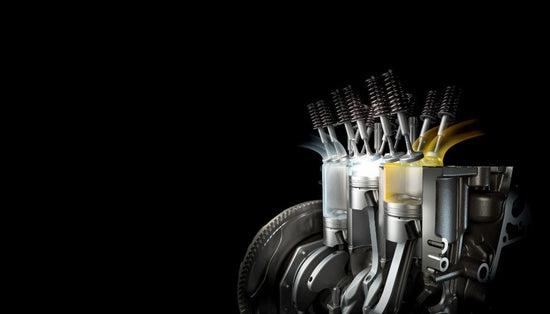
A reconditioned engine — also called a rebuilt or remanufactured engine — is a used engine that has been completely taken apart, cleaned, repaired, and rebuilt using a mix of new and refurbished components. This process restores the engine to a condition close to new, often including new pistons, rings, bearings, gaskets, and timing components, along with precision testing to ensure reliability.
The main advantages of a reconditioned engine are its cost and sustainability. It can be 40–60% cheaper than a brand-new engine, making it a budget-friendly choice for daily drivers and older vehicles. It’s also environmentally friendly, as it reuses the engine block and reduces waste. When properly rebuilt, a reconditioned engine can offer reliability and performance comparable to a new engine.
However, not all reconditioned engines are equal. Quality can vary widely, and some engines are only superficially cleaned or painted rather than fully rebuilt. The performance and lifespan of the engine depend heavily on the skill and experience of the specialist doing the work. Choosing a reputable and experienced provider is essential to ensure you get a dependable engine that will last.
Cost Comparison: Reconditioned vs. New Engines
Price is usually the deciding factor when comparing Reconditioned vs. New Engines.
|
New Engine |
Reconditioned Engine |
|
Highest upfront cost (£3,000–£10,000+) |
Much more affordable (£1,500–£4,000) |
|
Can exceed the market value of the vehicle |
More predictable pricing |
|
Fitting, programming, and installation costs may apply |
Typically lower installation costs |
|
Long-term investment; minimal maintenance in first few years |
Best price-to-performance ratio; good reliability for cost |
|
May increase vehicle resale value; lower insurance premiums; comprehensive warranty |
Ideal for older vehicles or cost-conscious drivers; eco-friendly; excellent warranty coverage |
Reliability & Performance: Which Lasts Longer?

A well-reconditioned engine can perform just as reliably as a brand-new engine, especially when it is rebuilt using high-quality components and precision machining. With proper installation and maintenance, a reconditioned engine can provide years of dependable service.
When New Engines Have the Edge?
-
Guaranteed OEM reliability straight from the factory
-
No existing wear, corrosion, or previous use
-
Maximum performance consistency for high-value or newer vehicles
When Reconditioned Engines Can Match Performance?
-
Full rebuild carried out by experienced specialists
-
Precision machining and thorough testing ensure proper operation
-
High-quality replacement components restore reliability
-
Often ideal for daily drivers and older vehicles, providing long-term performance at a lower cost
In short, both options can be reliable — it comes down to the quality of the engine build, the parts used, and ongoing maintenance.
Warranty: The Hidden Deal-Breaker
When it comes to replacing an engine, the warranty can be just as important as the engine itself. A good warranty not only protects your investment but also gives you confidence in the quality of the work.
New Engine Warranty
New engines typically come with a manufacturer-backed warranty, which is often longer and covers a wide range of faults. This means that if anything goes wrong with your engine within the warranty period, you’re protected — giving you peace of mind and minimizing unexpected costs.
Reconditioned Engine Warranty
Reconditioned engines can also come with solid warranty coverage, provided they are purchased from reputable specialists. Clear terms and conditions ensure you know exactly what is covered and for how long, giving you confidence in the workmanship. However, with untrusted sellers, warranties can be short, vague, or even worthless.
Always compare warranty terms carefully, rather than just focusing on the price. A strong, clear warranty can save you significant time, stress, and money if something goes wrong.
Which One is Right for You?
Choosing the right engine depends on your vehicle, budget, and long-term goals.
New Engine Might Be Best If:
-
You own a newer or high-value vehicle
-
Maximum reliability and long-term performance are a priority
-
You want a long warranty and minimal maintenance in the first few years
-
Potential resale value benefits are important
Reconditioned Engine Might Be Best If:
-
You drive an older or daily-use vehicle
-
You want a cost-effective solution without sacrificing performance
-
Environmental impact matters — reuses engine components
-
You trust a reputable specialist for rebuild quality and warranty
Why Choose Approved Engines?
Selecting Approved Engines means choosing experience, quality, and reliability. Every engine is carefully reconditioned using high-quality parts, precision machining, and thorough testing to ensure long-lasting performance. Customers benefit from clear warranty coverage, professional fitting services, and expert guidance throughout the process. By working with a trusted engine specialist, you can avoid the risks of poorly rebuilt engines and gain peace of mind knowing your vehicle is in safe, capable hands.
Final Words
When choosing between a new engine and a reconditioned engine, the best option depends on your vehicle, budget, and long-term goals. For many drivers, particularly those with older vehicles, a high-quality reconditioned engine provides excellent reliability at a significantly lower cost than a brand-new unit. If you’re unsure which solution is right for your car, consulting with an Approved Engines specialist can help you make an informed decision.
FAQs
Can a new engine increase my car’s resale value?
Yes, installing a brand-new engine can enhance your vehicle’s resale value, especially for newer or high-value cars. Buyers often view a new engine as a sign of reliability and longevity, which can make your car more appealing and easier to sell.
How do insurance premiums change after fitting a new or reconditioned engine?
Insurance premiums may be affected if your vehicle’s engine is replaced. A brand-new engine might lower premiums slightly due to reduced risk of breakdown, while a reconditioned engine typically has little effect if fitted by a certified specialist, provided it meets manufacturer standards.
Are there performance differences between a new engine and a reconditioned engine?
While a brand-new engine guarantees factory performance, a high-quality reconditioned engine can match or come very close to that level. The key difference lies in consistency — new engines have no prior wear, whereas reconditioned engines rely on the quality of the rebuild.
How long does it take to source a new engine compared to a reconditioned one?
New engines, especially for older or discontinued models, can take weeks to source and ship, whereas reconditioned engines are often more readily available. This can be an important consideration if you need your vehicle back on the road quickly.
Is it possible to switch from a reconditioned engine to a new engine later on?
Yes, it is possible, though it involves additional cost and labor. Replacing a reconditioned engine with a new one is similar to any engine swap, but should be planned carefully to ensure compatibility with your vehicle’s existing components and electronics.