Introduction
Facing catastrophic engine failure can be stressful, leaving you with one pressing question: should you replace the engine or buy a new car?
Both options have their advantages, but the decision depends on factors like your budget, vehicle condition, sentimental value, and long-term plans.
Before making a decision, it’s important to understand the benefits of each option and what it means for your vehicle’s performance, reliability, and long-term costs.
The Advantages of Replacing an Engine
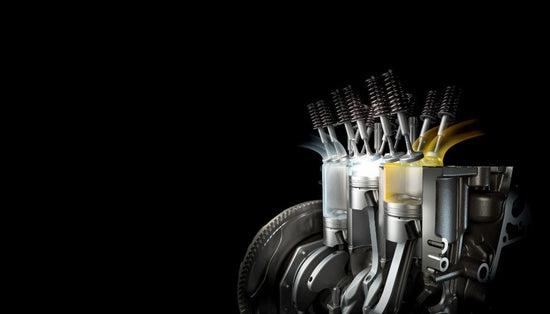
Replacing your car’s engine can be a smart and cost-effective solution compared to purchasing a new vehicle. It allows you to extend the life of your current car while enjoying improved performance, efficiency, and reliability.
Key Benefits of Engine Replacement:
- Lower upfront costs: Replacing an engine is often far more affordable than buying a brand-new car.
- Insurance assistance: Some insurance policies cover engine replacement expenses depending on your plan.
- Preserve sentimental value: Engine replacement lets you keep a vehicle that has personal or financial value.
- Environmentally friendly: Reduces waste and the environmental impact of manufacturing new vehicles.
- Extended vehicle lifespan: A rebuilt or new engine can add years of reliable use.
- Local convenience: Avoids extra costs like new registration, taxes, and purchasing logistics.
Engine replacement combines cost savings, practicality, and environmental responsibility.
The Advantages of Buying a New Car
Investing in a new car is a higher upfront cost but offers peace of mind, reliability, and modern technology. Choosing a new car can also offer practical advantages.
Key Benefits of Buying a New Car:
- Modern technology and safety features: Advanced driver assistance, fuel efficiency, and comfort features.
- Full manufacturer warranty: Protection against unexpected mechanical or electrical issues.
- Reduced maintenance costs: Fewer repairs and servicing in the early years.
- End-of-life replacement: More practical if your car is over 11 years old or has high mileage.
- Higher resale value: Newer vehicles retain value better over time.
- Local advantages: Possible savings on road tax, insurance, and fuel efficiency.
Buying new offers long-term reliability and modern convenience at a premium cost.
Another Option: Reconditioned Engines
Reconditioned engines provide a middle ground between replacement and buying new, offering near-new performance at a fraction of the cost.
These engines are rebuilt, tested, and supplied with warranties of up to 12 months or 12,000 miles, making them both reliable and environmentally responsible.
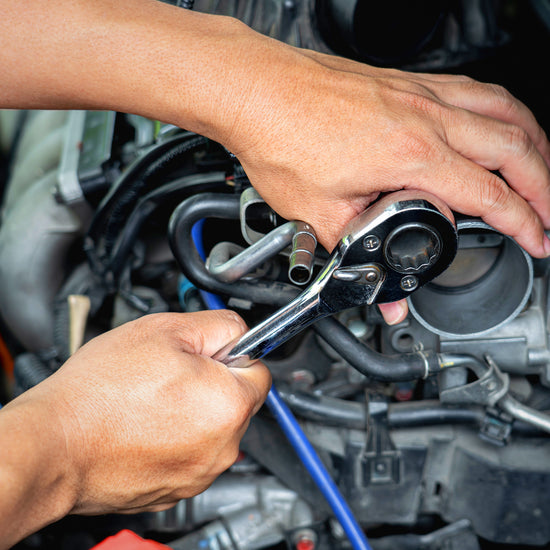
Professional installation is available at Acton and Sudbury garages to ensure optimal performance.
Why Choose Approved Engines?
With over 20 years of experience, Approved Engines delivers high-quality engine replacements, reconditioning, and repairs for all makes and models.
Every engine includes a comprehensive warranty, professional installation, and expert guidance to help you make the right decision.
Final Words
Choosing between engine replacement, reconditioning, or buying a new car depends on your budget, vehicle condition, and long-term plans.
At Approved Engines, our team ensures your vehicle remains safe, efficient, and road-ready for years to come.
FAQs
-
How do I know if my engine needs replacement or reconditioning?
Warning lights, unusual noises, oil leaks, or reduced performance usually indicate engine issues. A diagnostic check is recommended.
-
Are reconditioned engines reliable for long-term use?
Yes. Professionally rebuilt and installed engines can last as long as new ones with proper maintenance.
-
Can I install a reconditioned engine myself?
DIY installation is possible but professional fitting ensures correct installation and warranty validity.
-
How much does a reconditioned engine cost?
Typically 50–70% cheaper than a new engine and far less expensive than buying a new car.
-
Do reconditioned engines affect insurance or resale value?
No. Proper installation can maintain or even improve vehicle reliability and resale value.