If a mechanic has told you that you need your cylinder head skimmed, it can sound like a strange, slightly worrying phrase if you've never come across it before. In reality, it's a well established, routine machining process, and in many cases it's a far cheaper fix than replacing an entire cylinder head.
Here's what cylinder head skimming actually involves, the signs that suggest you might need it, and what to expect from the process.
What Is Cylinder Head Skimming?
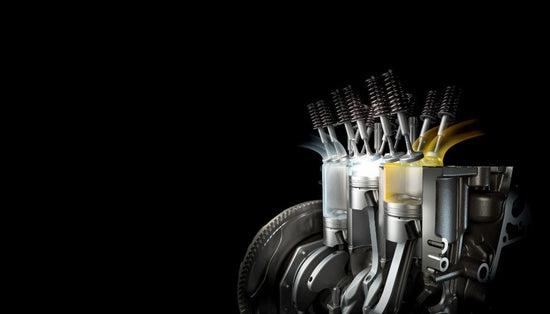
The cylinder head sits on top of the engine block, and it needs a perfectly flat, smooth surface where it meets the block to form a proper seal with the head gasket in between. Over time, heat cycles, warping, or a blown head gasket can cause that surface to become uneven.
Skimming is the process of machining a very thin, precise layer off the face of the cylinder head to restore that flat surface. A specialist machine removes just enough material, often a fraction of a millimetre, to correct any warping or high spots without affecting the head's structural integrity or internal components.
Why Does a Cylinder Head Warp in the First Place?
A few common causes lead to a warped or uneven cylinder head:
- Overheating. This is by far the most common cause. If an engine runs too hot, even for a short period, the uneven heat can cause the metal to distort.
- A failed head gasket. Once a head gasket has blown, the head can be exposed to uneven pressure and heat, which often leaves it slightly warped by the time it's removed.
- Age and heat cycles. Even without a dramatic failure, thousands of heat up and cool down cycles over the years can very gradually cause minor warping.
- Incorrect torque during a previous rebuild. If head bolts weren't tightened to the correct sequence or spec during earlier work, it can put uneven stress on the head.
Signs You Might Need Your Cylinder Head Skimmed
Cylinder head issues often show up alongside, or shortly after, head gasket problems. Common warning signs include:
- Coolant and oil mixing, often showing as a milky residue under the oil cap
- Persistent overheating with no obvious external leak
- White or sweet smelling smoke from the exhaust
- Loss of coolant with no visible external leak
- A blown head gasket that keeps failing again after replacement
That last point is important. If a head gasket has been replaced but the underlying head was never checked or skimmed, it's common for the new gasket to fail again within a relatively short time, simply because it's trying to seal against an uneven surface.
What Happens During the Skimming Process
Once the cylinder head is removed from the engine, it's cleaned and thoroughly inspected before anything else happens. A flatness check is carried out using a straight edge and feeler gauges, or a more precise measuring table, to work out exactly how much correction is needed and where.
The head is then mounted on a specialist skimming machine, which removes a controlled amount of material across the entire face in a single pass. The amount removed is kept to the minimum needed to restore flatness. Removing too much material can affect the compression ratio and valve clearances, so this isn't a job for guesswork.
After skimming, the head is checked again for flatness, and depending on its condition, it may also be a sensible point to inspect valves, valve seats, and the head for any cracks before it goes back on the engine.
Skimming vs Replacing the Head
In many cases, skimming a warped head is significantly cheaper than sourcing and fitting a replacement, particularly on engines where a genuine replacement head is expensive or hard to find. It also avoids the small risks that come with fitting a used or reconditioned head from another engine, since you already know the full history of your own.
That said, skimming has its limits. If a head is cracked, has already been skimmed close to its maximum allowance in the past, or has other significant damage, replacement or a full reconditioning is usually the safer and more cost effective route in the long run. A proper inspection before starting work will tell you which category your head falls into.
Getting It Right
Cylinder head skimming is precise work. Too little correction and the seal problem persists. Too much and you risk affecting how the engine runs. It's worth having it done by someone who checks flatness properly before and after, rather than treating it as a quick pass through a machine.
If you suspect your cylinder head might be warped, whether that's from a recent head gasket failure, overheating, or a gasket that's failed more than once, it's worth having it properly inspected before any new parts go back on. Getting the head right first is what makes the rest of the repair last.
Get in touch to have your cylinder head inspected and find out whether skimming or replacement is the right option for your engine.