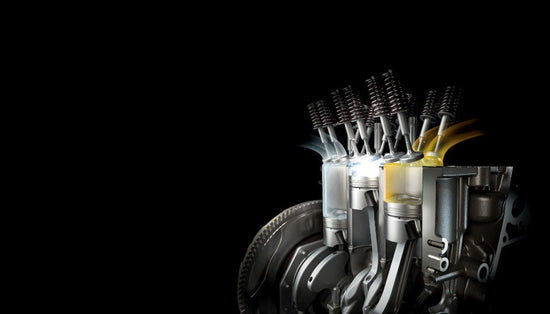
To check replacement engine compatibility, confirm your engine code, vehicle registration, VIN, gearbox and drivetrain with the supplier before ordering. Ask for written confirmation that the engine supplied matches your vehicle and clarify which components are included or need transferring.
Buying a replacement engine can help you keep a vehicle you know and rely on. However, choosing the correct unit involves more than matching the manufacturer, model and engine size.
Two vehicles advertised as having a “2.0 diesel engine” may require different engine variants. Production dates, drivetrain layouts and the specification of the supplied engine all need checking.
Whether you are replacing a Ford EcoBoost engine or sourcing an engine for a commercial van, this guide explains what information to gather and how to confirm fitment before committing to a purchase.
Why Does Replacement Engine Compatibility Matter?
An engine listing may look suitable at first glance, but a broad model description does not confirm that a particular unit is correct for your vehicle.
For example, Approved Engines’ Ford Transit 2.0 EcoBlue engine listing distinguishes between YMF6 front-wheel-drive and YMR6 rear-wheel-drive options. It also asks customers to confirm their registration, engine code and year of manufacture before ordering.
Checking these details early helps you avoid ordering an unsuitable variant, arranging unnecessary transport or discovering additional work after installation has started.
Treat compatibility as a check involving three parties: you, your engine supplier and the garage carrying out the installation.
How to Find Your Engine Code
Your engine code is an important starting point when identifying a suitable replacement. Give the supplier the complete reference rather than a shortened version or an assumed match.
Check the Engine Identification Markings
Consult the manufacturer’s handbook or workshop information for the identification location on your particular vehicle. If the markings are difficult to access or read, ask your garage to locate and photograph them.
Ford notes that a dealership can obtain identifying information from the engine and that some engine numbers require technical work to become visible. Avoid dismantling components simply to search for a code yourself.
A clear photograph is useful because similar-looking letters and numbers can be misread when copied by hand.
Compare the Engine With Your Documents
Review your V5C, service records and any previous engine replacement invoices. Pass the relevant references to the supplier, but ask them to confirm which number identifies the engine variant they need.
If the vehicle has already received a replacement engine, tell the supplier. The engine currently fitted and the vehicle’s original specification may need checking separately.
Ask for Help if the Code Is Missing
An unreadable identification marking does not mean you should guess. Send the supplier your registration, VIN, vehicle details and available photographs.
Ask what further information they need before recommending an engine. Keep the enquiry open until the identification is clear.
Can You Check Engine Compatibility Using Your Registration?
A registration number is a useful starting point, but it should be checked alongside the engine identification and vehicle specification.
The DVLA vehicle enquiry service allows you to check recorded details including engine size, fuel type, year of manufacture and emissions information using your number plate. These details help establish the vehicle’s identity, but they do not provide a complete engine installation specification.
Check the Recorded Details
Compare the results with your vehicle and paperwork. If anything appears inconsistent, raise it with the supplier before ordering.
Useful information to provide includes:
-
Make an exact model.
-
Registration number.
-
Year of manufacture.
-
Petrol or diesel fuel type.
-
Engine capacity.
-
Any known engine replacement or modification history.
Confirm the Build Specification
Give the supplier the production or build date where available, rather than relying entirely on the registration year.
Ask whether a production change affects the engine being recommended. This is particularly useful when a listing covers several model years or offers multiple engine codes.
How Does a VIN Help Identify the Correct Engine?
A vehicle identification number, or VIN, identifies the vehicle. Modern VINs generally contain 17 letters and numbers. Ford’s UK guidance lists typical locations including the doorframe and an area visible through the windscreen.
Send the Complete VIN
Provide the full VIN to your supplier through their enquiry or ordering process. Ask them to check the vehicle application using appropriate manufacturer or parts information.
Avoid relying on a generic online decoder as your only evidence of fitment. The supplier should explain what information supports their recommendation.
Explain Any Previous Engine Changes
A VIN-based enquiry concerns the vehicle’s recorded specification. If an engine was replaced or the vehicle was modified, provide the garage’s findings and supporting invoices as well.
Ask the supplier to resolve any differences between the paperwork, the original specification and the engine currently installed.
Why Do Drivetrain and Gearbox Details Matter?
When buying a replacement engine in the UK, always tell the supplier whether your vehicle is front-wheel drive, rear-wheel drive or all-wheel drive, along with its gearbox type.
Confirm the Drivetrain
Do not assume that engines listed under the same model name are supplied in an identical configuration.
The separate front-wheel-drive and rear-wheel-drive options on Approved Engines’ Transit listing show why this information belongs in your initial enquiry.
Confirm the Gearbox and Installation Requirements
Tell the supplier whether the vehicle has a manual or automatic gearbox. Ask your installer to confirm any relevant gearbox identification.
Useful questions include:
-
Is this engine suitable for my gearbox and drivetrain?
-
Which existing components must be transferred?
-
Are any additional parts required?
-
Does the installation require coding or adaptation?
-
Can you confirm the proposed arrangement with my garage?
These questions help define the work before the engine arrives.
Check Exactly What the Replacement Engine Includes
A compatible engine and a complete installation package are separate things. Ask for a written list of what you are purchasing.
Clarify the Supplied Assembly
Descriptions such as “bare engine”, “long block” and “complete engine” should be explained by the supplier.
Ask whether the price includes the sump, cylinder head, timing components, injectors, turbocharger and other accessories relevant to your installation. Have your garage review the list before you pay.
This gives you a clearer basis for comparing quotations.
Agree Which Components Will Be Reused
Ask your installer which parts can be transferred from the original engine and which need inspection or replacement.
If the original engine failed, discuss whether the cause of that failure could affect the replacement. Approve any additional work against an itemised quotation.
Confirm Warranty and Exchange Terms
Request the terms for the exact engine you are buying. Check installation requirements, servicing conditions and any old-engine exchange arrangements.
Do not assume that every product has identical warranty cover or return conditions.
Get Written Fitment Confirmation Before Ordering
Send the supplier a single enquiry containing your registration, VIN, engine identification, drivetrain and gearbox details.
Then ask them to confirm:
-
The exact engine or product variant recommended.
-
Its suitability for your vehicle.
-
Any required component transfers or alterations.
-
What is included in the price.
-
Installation and warranty requirements.
-
Delivery and exchange arrangements.
At Approved Engines, the 1.0 Ford EcoBoost engine page states that registration and engine-code checks are carried out before dispatch. Contact the team before ordering if you need help identifying the correct unit.
Final Checklist Before Buying a Replacement Engine
|
Check |
What to Confirm |
|
Vehicle identity |
Registration, VIN, make and model |
|
Engine identification |
Complete code or reference requested by the supplier |
|
Vehicle specification |
Build details, fuel type and capacity |
|
Drivetrain and gearbox |
FWD, RWD or AWD and transmission details |
|
Supplied components |
Written list of included and excluded parts |
|
Installation |
Transfers, additional parts and any coding requirements |
|
Purchase terms |
Fitment confirmation, warranty and exchange conditions |
Ask your garage to inspect the delivered engine against the order before installation begins. Raise any discrepancy with the supplier immediately.
Check Compatibility With Approved Engines
Choosing a replacement engine starts with accurate vehicle information and a clearly defined order.
Browse our replacement engines, or explore our engine supply and fitting service if you need help with installation.
Before buying, contact Approved Engines with your registration, VIN and engine details so we can discuss the appropriate option.
Frequently Asked Questions
Is Matching the Engine Size Enough to Confirm Compatibility?
No. Engine size alone does not identify the exact variant required. Ask the supplier to check your engine identification, VIN, drivetrain, gearbox and vehicle specification. Also confirm what is included and which existing components must be transferred during installation.
How Can I Find My Engine Code if I Cannot Read the Markings?
Ask your garage or a manufacturer dealership to identify the engine. Provide your registration, VIN and service documents to the supplier as well. Do not order using a guessed code or an incomplete reference that has not been checked.
Can a Supplier Find a Replacement Engine Using My Registration?
A supplier can use your registration as a starting point for identification. They may also request your VIN, engine code, photographs or gearbox details. Provide any history of engine replacement or modification so they can investigate inconsistencies before recommending a unit.
Does the Same Engine Code Guarantee a Direct Replacement?
Treat a matching code as an important check, then ask the supplier to confirm the complete application. Clarify the supplied components, drivetrain and installation requirements. If they recommend a different code, request a written explanation of the proposed compatibility.
Can I Use an Engine From a Different Vehicle Model?
Only proceed after the supplier and installer confirm suitability for your specific vehicle. A shared engine family or similar appearance does not establish that the supplied assembly is appropriate. Ask about required parts, alterations and installation costs before purchasing.
What if the Delivered Engine Appears Different From the Original?
Pause installation and contact the supplier with photographs, identification details and your order reference. Ask your garage to explain the difference. Resolve whether it is an agreed specification difference or an incorrect unit before authorising fitting or alterations.
Do I Need to Update My V5C After Replacing an Engine?
If the replacement changes the recorded engine number or cylinder capacity, follow DVLA’s V5C update process. Keep the purchase receipt showing the replacement engine number and capacity, as DVLA lists this among the accepted forms of supporting evidence.