Every year, millions of cars across the UK fail their MOT — and the frustrating part is that most failures come down to a small, predictable list of causes. Many of them are cheap and quick to fix if you catch them before your test date, but expensive and stressful if you don't.
Here's a breakdown of the most common reasons cars fail their MOT, what the inspector is actually looking for, and how to give your car the best possible chance of sailing through first time.
1. Lighting and Signalling
This is consistently the single biggest cause of MOT failure in the UK. It sounds trivial, but a blown bulb, a cracked lens, or a misaligned headlight is an automatic fail.
What to check before your test:
- All brake lights, indicators, sidelights, and headlights are working
- Number plate light is functioning
- No cracks or moisture inside light units
- Headlights are properly aligned (not pointing too high or too low)
This is the easiest category to fix yourself in five minutes with a spare bulb, so it's worth checking the night before your test.
2. Suspension
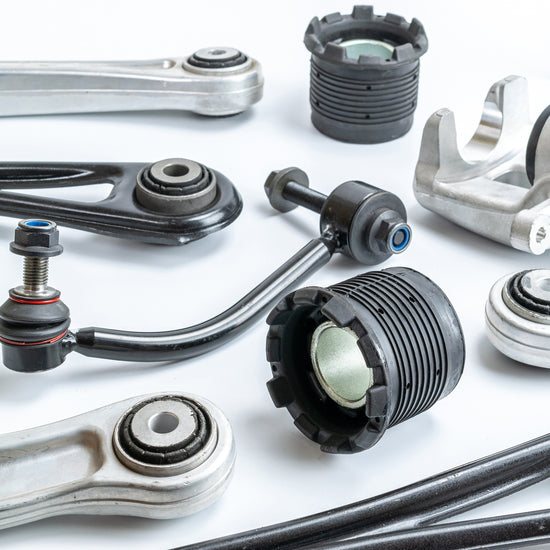
Worn shock absorbers, damaged springs, and deteriorated bushes are another leading failure point, particularly on cars over five years old or those that have covered a lot of motorway miles.
Warning signs to watch for:
- Excessive bouncing after going over a bump
- Uneven tyre wear
- Clunking or knocking noises over rough roads
- The car pulling to one side under braking
Suspension issues rarely appear overnight — if something feels "off" on your regular drive, it's worth having it looked at before it becomes a fail.
3. Brakes
Brakes are checked for wear, performance, and balance across the vehicle. A brake pad worn below the legal minimum, a seized caliper, or an imbalance between the left and right side will all result in a fail.
What causes brake failures:
- Worn pads or discs not replaced in time
- Handbrake not holding sufficiently
- Brake fluid contamination or leaks
- Uneven braking force side to side
Brakes are a safety-critical system, so this is one area where it genuinely pays to get ahead of a problem rather than wait for the test to find it.
4. Tyres
Tread depth, damage, and correct tyre type are all checked. The legal minimum tread depth in the UK is 1.6mm across the central three-quarters of the tyre, but most testers will flag anything close to that as worth replacing.
Common tyre-related fails:
- Tread depth below the legal limit
- Cuts, bulges, or exposed cord in the sidewall
- Incorrect tyre size or type fitted
- Uneven wear pointing to an alignment or suspension issue
A quick 20p coin test — insert into the main grooves and see if the outer band is visible — gives you a rough idea of tread depth in seconds.
5. Driver's View of the Road
This covers anything obstructing visibility: a cracked windscreen in the driver's line of sight, worn wiper blades, faulty washer jets, or a mirror that's missing or damaged.
Quick checks:
- Windscreen wipers clear the screen fully without smearing
- Washer fluid is topped up and jets aren't blocked
- No chips or cracks in the driver's critical viewing area
- Both wing mirrors are secure and undamaged
6. Other Electrical Faults (Excluding Lighting)
Beyond bulbs, testers also check the battery, wiring, and dashboard warning lights. A poorly secured battery, corroded terminals, or a persistent warning light on the dash (like the engine management light) can all trigger a fail — or at least a closer inspection that turns up something else.
7. Body, Structure, and General Corrosion
Excessive corrosion near structural points — suspension mounts, seatbelt anchorages, or the chassis itself — is treated seriously, since it affects the car's structural integrity. Sharp edges from rust or damage that could cause injury are also flagged.
How to Reduce Your Chances of Failing
The theme running through almost every MOT failure category is the same: most of it is preventable with basic maintenance between tests, not just a last-minute check the week before.
A few habits that make a real difference:
- Do a walk-round check of lights, tyres, and bodywork every few weeks
- Don't ignore dashboard warning lights, even if the car still "feels fine"
- Get brakes and suspension looked at if something feels different on your regular drive
- Book a pre-MOT check a couple of weeks before your test date, so there's time to fix anything minor without the pressure of a failed test
Book Your MOT With Us
If you're due an MOT, our team can carry out the full test and, where something does come up, explain exactly what needs doing and why — no jargon, no pressure. Catching a problem early is almost always cheaper and less stressful than dealing with it after a fail.
Book your MOT with us today and get it done properly, first time.