Modern Ford engines — from the 1.0 EcoBoost to the 2.0 EcoBlue — are managed by an onboard computer that constantly monitors dozens of sensors in real time. When something isn't right, that computer logs a fault code long before most drivers would notice a problem by ear or feel. A proper diagnostic check is how that information gets read, interpreted, and turned into an actual repair plan.
Here's what a diagnostic check involves, when you actually need one, and why the quality of the diagnostic matters as much as the equipment used.
What Does a Diagnostic Check Actually Do?
When you plug a diagnostic scanner into a Ford's OBD port, it communicates directly with the engine control unit (ECU) and any other connected modules — transmission, ABS, airbags, and so on. The scanner pulls any stored fault codes, along with live data: things like fuel trims, sensor readings, and misfire counts.
A fault code points you toward the area of the problem — say, a specific cylinder misfiring, or a sensor reading out of range — but it doesn't always tell you the root cause on its own. That's where an experienced technician reading the data matters more than the scanner itself. Two cars can throw the exact same code for completely different underlying reasons.
Signs You Might Need a Diagnostic Check
You don't need to wait for a warning light to consider a diagnostic check, though that's the most obvious trigger. Other signs worth acting on include:
- The engine management light is on — solid or flashing, either way it's worth investigating rather than ignoring
- Rough idling or hesitation when accelerating, particularly on EcoBoost engines
- Unexplained drop in fuel economy over a few weeks
- A whining or rattling noise from the timing area — on wet belt EcoBoost engines especially, this can be an early sign of belt wear, and catching it early is the difference between a belt replacement and a full engine rebuild
- Failed emissions or rough running after cold starts
- Intermittent stalling, especially at low speed or when idling
If any of these sound familiar, a diagnostic check is usually the fastest and cheapest way to find out what's actually going on before it turns into a bigger repair.
Why the Wet Belt Matters So Much on EcoBoost Engines
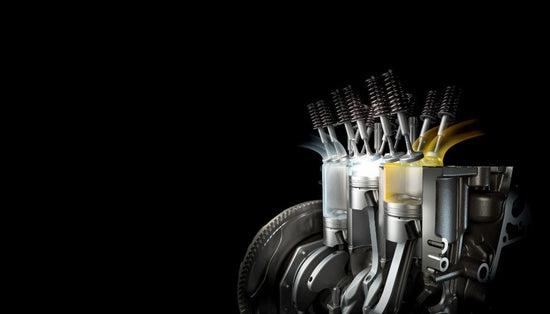
If you drive a Ford with a 1.0 or 1.5 EcoBoost engine, there's one issue worth knowing about specifically: the timing belt sits inside the engine, submerged in oil, rather than running externally like a traditional cambelt. This "wet belt" design can shed rubber particles as it wears, which contaminate the oil and, in the worst cases, cause the belt to fail completely — leading to catastrophic engine damage.
A diagnostic check combined with an oil inspection can catch early signs of wet belt wear well before it becomes a failure. If you're not sure when your wet belt was last replaced, or you've noticed a change in how the engine sounds or runs, it's worth having it looked at rather than waiting to find out the hard way.
Why a Proper Diagnostic Beats a Quick High-Street Scan
Plenty of places offer a fast, cheap diagnostic read — plug in, print out the codes, hand them over. That's a starting point, but it's not the same as a full diagnostic assessment. The difference comes down to:
- Interpreting codes in context, not just listing them — the same code can mean different things depending on live data, mileage, and engine history
- Manufacturer-specific knowledge of known issues on particular Ford engines (like the EcoBoost wet belt, or common DV5/DV6 diesel faults)
- Following up with the right physical checks — compression tests, oil analysis, or a road test — rather than assuming the code alone tells the whole story
- Clearing codes correctly and confirming the fault doesn't return, rather than just resetting the light
A diagnostic check that ends with a genuine explanation of what's wrong and what your options are is worth far more than one that just hands you a code number.
What Happens After the Diagnostic
Once we've identified the fault, we'll talk you through exactly what it means in plain terms — what's causing it, how urgent it is, and what the realistic options are. Sometimes that's a straightforward part replacement. Sometimes, particularly with wet belt or internal engine issues caught early, it opens up cheaper options than waiting until the problem becomes severe.
Book a Diagnostic Check
If your Ford's engine management light is on, something feels off, or you simply want peace of mind before a long trip, our diagnostic checks give you a clear, honest picture of what's going on — not just a code on a printout.
Get in touch to book a diagnostic check and find out exactly what your engine is telling you.